Empowering Patients: The Future of Oncology and Alternative Therapies in Cancer Care
In the face of an ever-evolving landscape in cancer care, the clash between conventional oncology practices and alternative therapies is both profound and transformative. Imagine a tale where hope rises above despair, one that redefines the journey of those battling malignancy. With the relentless advance of technology and understanding in clinical research, we find ourselves at a pivotal moment — a moment poised to revolutionize cancer care. Are you ready to explore how alternative therapies are changing lives and leading us toward a brighter, more inclusive future in healthcare?
Alternative therapies have gained significant traction in recent years, becoming vital components of a holistic approach towards treating carcinoma. While chemotherapy and radiation therapy are cornerstones of traditional oncology, many patients are increasingly turning to complementary methods such as mindfulness, acupuncture, and herbal medicine. But what if the distinction between 'alternative' and 'conventional' could fade away? As we learn from survivor stories, blending these methods can enhance not only symptom management but also overall well-being during treatment. Remember, as the famous quote goes, 'Health is a state of complete harmony of the body, mind, and spirit.'
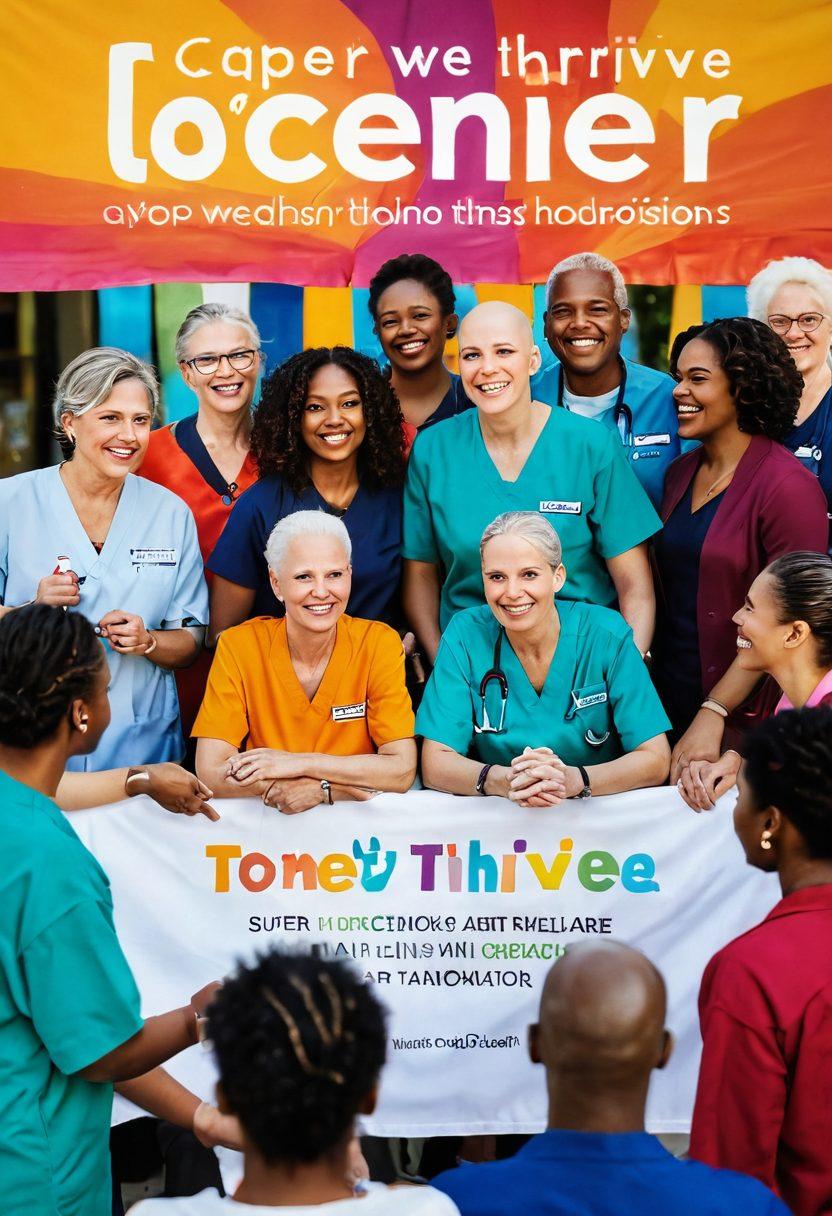
Empowering patients means acknowledging their choices in every facet of their healthcare journey. With the increasing prominence of patient support groups, individuals facing cancer — be it tumors in the breast, lung, or other regions — find solace in shared experiences and collective wisdom. Awareness campaigns have played an essential role in educating the public about the benefits of alternative therapies in cancer care. They foster a sense of community, enabling patients to navigate the challenges of disease prevention and recovery. What role do you think community support plays in patient empowerment?
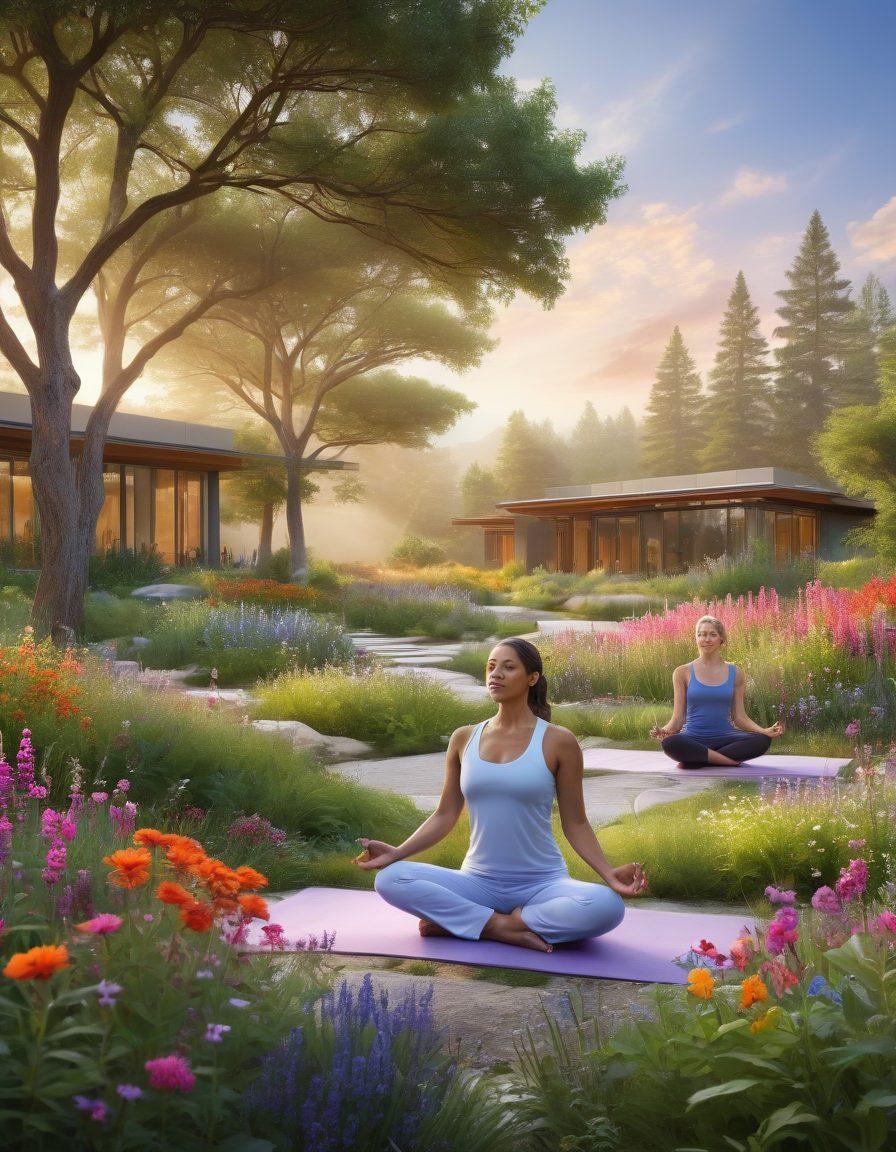
One of the most profound implications of alternative therapies lies in their potential for healing emotional wounds as much as physical ones. Healing isn’t solely about eradicating disease; it embodies an acceptance of the struggle, the triumphs, and the transformations that accompany a cancer journey. Alternative therapies such as yoga and meditation offer not just symptom management but also serve as essential tools in palliative care, minimizing anxiety and restoring a sense of peace. These practices cultivate resilience, helping patients embrace their unique paths amidst the chaos of malignancy treatments. How can you integrate such transformative practices into your life or the lives of loved ones?
Looking ahead, an integration of alternative and conventional therapies may hold the key to revolutionizing cancer care for future generations. With advancements in immunotherapy and a greater focus on preventive care, the potential synergy between traditional oncology and alternative therapies can help reshape treatment paradigms. Armed with knowledge, patients will be empowered to make informed decisions, break the cycle of fear, and view their journey as one of healing rather than merely a battle against a disease. As we continue to gather insights through clinical research, one question lingers: how can we harness this knowledge to foster a more compassionate, comprehensive approach to cancer care?
From Chemotherapy to Community Support: A Comprehensive Look at Modern Oncology
In the ever-evolving world of healthcare, the landscape of oncology is shifting dramatically. No longer is cancer care solely about chemotherapy and radiation therapy; it now encompasses a holistic approach that involves community support, emotional healing, and innovative alternative therapies. Imagine a patient diagnosed with carcinoma feeling empowered not just by their treatment options but by a strong community rallying behind them. This modern approach to cancer treatment and recovery seeks to enhance the patient experience, addressing not only the physical manifestations of the disease but also the emotional and psychological challenges that accompany it. How has the integration of alternative therapies and community support changed the narrative for cancer patients?
The journey through cancer treatment can feel like navigating a dense fog, filled with uncertainty and fear. However, survivor stories echo the resilience of the human spirit. Patients who once felt lost in the despair of malignancy are now discovering platforms for connection and support. From local support groups to online forums, the growth of community support initiatives is inspiring. These spaces not only provide information about symptom management but also create a network of understanding where individuals can share experiences and coping strategies. As one survivor famously said, 'You don't have to go through it alone; there’s a whole community ready to walk with you.'
Alternative therapies are making significant strides alongside traditional medical treatment. Techniques such as yoga, meditation, and nutrition counseling are not just adjuncts to conventional therapies; they have found their place as essential components of a comprehensive care plan. Imagine combating the side effects of chemotherapy and radiation therapy with mindful breathing exercises or herbal supplements that bolster the immune system. Together, these approaches enhance overall well-being and illustrate the importance of preventive care in oncology. As clinical research continues to validate the efficacy of such treatments, it raises intriguing questions: What other complementary practices could redefine cancer care?
Awareness campaigns play a pivotal role in reshaping public perception of cancer treatment. The more we know about different types of tumors, treatment options, and the psychological impact of a cancer diagnosis, the better equipped we are to support those in need. Educational initiatives can shift the stigma surrounding cancer and promote informed conversations about both traditional oncology and alternative therapies. For instance, how can patients and caregivers better navigate the complex world of healthcare? By participating in awareness campaigns, not only do we foster greater understanding, but we also ensure that patients are advocates for their own health journey.
In conclusion, the world of oncology is transforming, embracing a compassionate model that champions patient support, alternative therapies, and community engagement. As we move toward a future where healing is defined not solely by the absence of disease but by the presence of vibrant health and well-being, it is essential to remain proactive in our pursuit of knowledge and support. Every treatment plan should include both the science of medical treatment and the art of community healing. After all, in the words of Hippocrates, 'Healing is a matter of time, but it is sometimes also a matter of opportunity.' Let’s take this opportunity to empower patients together.
Empowering Survivors: Integrating Alternative Therapies with Traditional Treatments
In the face of a cancer diagnosis, the journey can often feel daunting, leaving individuals and their loved ones grappling with fear and uncertainty. However, as we navigate through this complex landscape of oncology, there’s a glimmer of hope that lies in an integrative approach to cancer care. Empowering survivors involves harmonizing traditional treatments, such as chemotherapy and radiation therapy, with alternative therapies that focus on the totality of a patient’s health. Could it be that this collective approach not only enhances the efficacy of medical treatments but also nurtures the spirit of healing?
Picture this: a patient sitting in an oncologist’s office discussing a treatment plan—immunotherapy here, palliative care there. Now imagine, right next to that plan, the inclusion of yoga sessions, acupuncture, or mindfulness meditation. Alternative therapies are not merely adjuncts; they play a crucial role in the management of symptoms and improving quality of life for cancer survivors. This complementary perspective taps into the increasing clinical research underscoring the importance of addressing the whole person rather than just the disease. Did you know these therapies can significantly bolster emotional resilience during tumultuous treatment journeys?
One of the greatest gifts of sharing survivor stories is the awareness campaigns they help ignite. Survivors often blossom into advocates, using their experiences to educate others about the potent role alternative therapies can play in the world of malignancy. From community support groups to workshops, these stories illuminate pathways of hope and healing that might otherwise remain hidden. They foster a sense of belonging—an essential ingredient in the fight against carcinoma. Have you ever thought about how sharing your story could empower someone else equally battling their health?
Moreover, symptom management in oncology frequently extends beyond the physical realm. Cancer treatments may trigger an array of symptoms that can be debilitating. Alternative therapies provide a treasure chest of options for managing side effects. Whether it’s using nutritional guidance for disease prevention or employing relaxation techniques to alleviate anxiety, integrating these practices into care regimens becomes not just a stylistic choice but a necessity. Survivors often speak of the clinic visits where they didn’t just feel like patients, but rather whole beings whose wellness mattered. Isn’t that a model we should aspire to?
The future of oncology is not a solitary journey limited to the confines of a treatment room; it’s a community endeavor. Uniting healthcare professionals, patients, and families in a collaborative effort towards holistic well-being is the aim of this transformative era. As we continue to embrace alternative therapies alongside traditional oncology methods, the question remains: how can we create systems of support that acknowledge the profound impact of emotional and mental wellness in healing? Collectively, let’s explore these uncharted territories, where every survivor not only survives but thrives on their own terms.